Here's the thing about long-distance and your body
Your nervous system doesn't just miss your partner. It rewires. After months or years of limited physical contact, your body actually becomes less responsive to touch, not because you've stopped wanting connection, but because the neural pathways that drive arousal get quieter without regular stimulation. When you finally reunite, that absence doesn't just vanish. You're trying to rebuild intimacy with a body that's essentially in sleep mode.
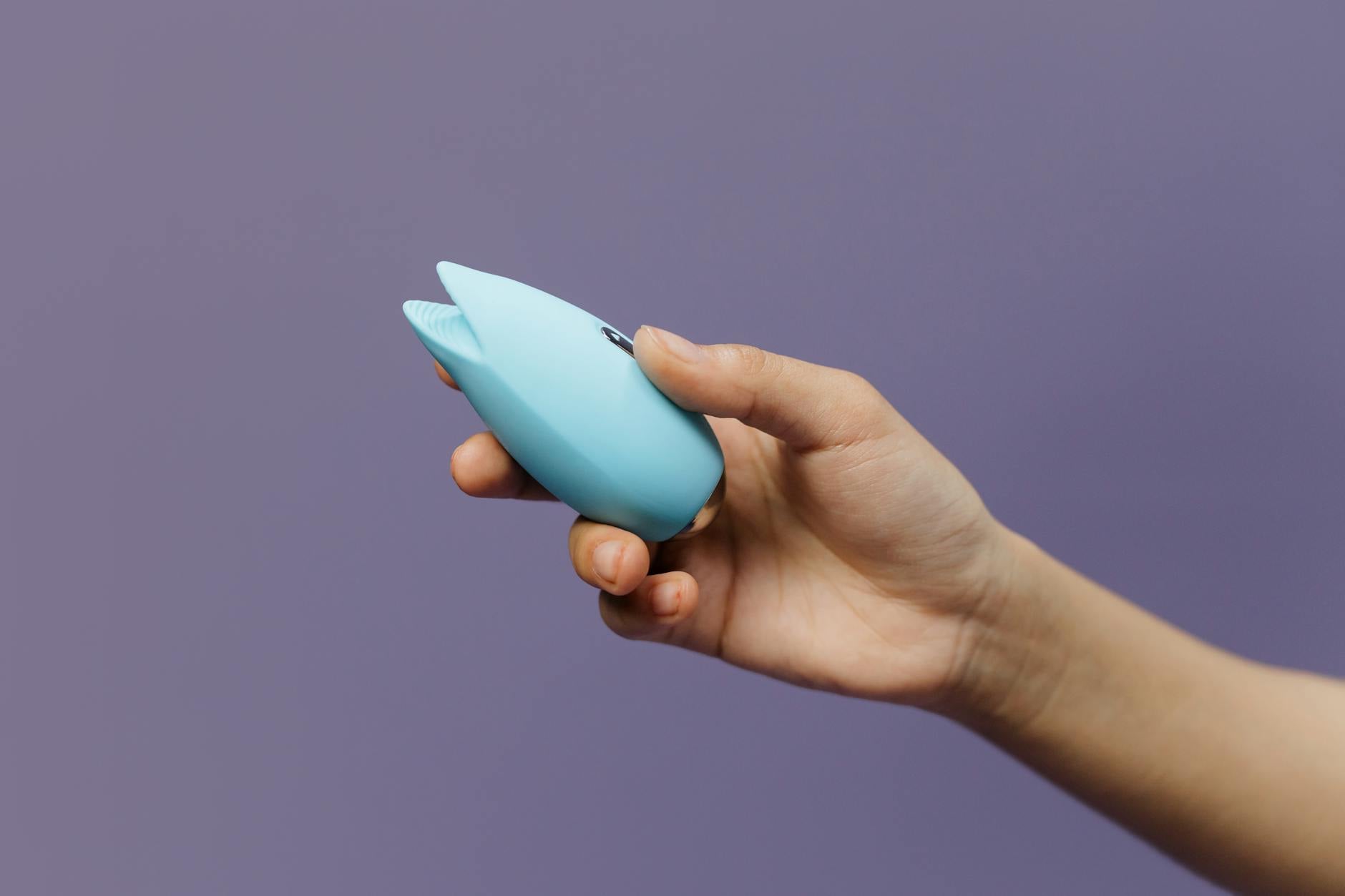
This is where most couples stumble. They expect sex to feel the way it did before the distance, and when it doesn't, they assume something's broken. It's not. Your nervous system just needs a reboot. And lemon clitoral vibrators, specifically their suction mechanism, are one of the most effective tools for that reset.
What long-distance actually does to your nervous system
When you're apart for extended time, two major things happen physically. First, your baseline cortisol (stress hormone) stays elevated because of the emotional separation. Second, your body stops releasing oxytocin regularly, which is the hormone that primes sexual response and desire.
The practical outcome is that when you reunite, touch can feel weird. Sometimes too intense, sometimes too light, sometimes barely noticeable. Partners often interpret this as a sign the relationship has changed, when really it's just sensory recalibration.
Lemon vibrators work here because suction stimulation bypasses some of the sensory relearning that traditional vibration requires. Instead of waiting for your nervous system to slowly remember how to respond to friction and pressure, suction creates a distinct sensation that your body finds novel and engaging. It wakes things up faster.
Why suction beats traditional vibration for reconnection
When you've been physically separated, your clitoris and the surrounding nerve endings are essentially dormant. Traditional vibrators work by repetitive pressure and friction, which can feel either overwhelming or underwhelming to a body that's out of practice. You're trying to find the exact right rhythm and intensity in a body that's forgotten its own preferences.
Lemon vibrators and similar suction toys work differently. They create a gentle pulling sensation that activates nerves in a way that feels immediately responsive, even if your body hasn't had that stimulus in a while. The pattern feels fresh because it's genuinely different from finger stimulation or pressure-based vibration. That novelty is actually an asset during reconnection.
Another practical advantage: suction stimulation tends to build arousal more gradually than traditional vibration. If you're nervous about reuniting, if there's anxiety wrapped up in the physical reunion, that slower build gives your nervous system time to downregulate without losing the thread of pleasure. You're not trying to catch up to an already-intense sensation.
The partner dynamics that make lemon vibrators essential during reconnection
Let's talk about what's actually happening emotionally when long-distance couples reunite. There's joy, absolutely. There's also often anxiety. Have I changed? Have they? Will this feel good? These thoughts create muscular tension, which makes arousal harder. Your pelvic floor tightens, your mind races, your body doesn't cooperate.
When you introduce a lemon clitoral vibrator into the reunion, something shifts. Suddenly, the focus isn't on "can we have good sex like we used to." The focus is on "what does this feel like together, right now." That reframe is everything. It removes the pressure to perform or meet a historical baseline. You're exploring something new as a couple, which actually quiets the anxiety that was preventing arousal.
For partners, using a lemon vibrator together also distributes responsibility differently. One partner doesn't have to be the sole source of arousal while you're both nervous. The vibrator does the consistent work, and the partner becomes a presence, a helper, a collaborator. That's genuinely different from traditional sex in a way that many long-distance couples find more connective than they expected.
How to introduce lemon vibrators without pressure
The conversation matters enormously. "I want to try this tool because I think it might help us both feel more comfortable reconnecting" is wildly different from "I need this because you're not doing it right." The second message creates shame and defensiveness. The first creates collaboration.
Start with a lower intensity. If you're using a lemon clitoral vibrator, many people begin on patterns 1-3 and work upward as comfort grows. Take time for what used to feel rushed. Budget twenty to thirty minutes for foreplay before attempting penetrative sex, if that's part of your routine. Your nervous system needs runway.
Also be willing to stop and talk. "That feels intense" or "I need slower" or "Can you try this differently" are all statements that make reconnection more successful, not less. Couples who can name what's happening without shame end up rebuilding intimacy faster than those who just push through discomfort.
The timeline for sensory rewiring
Honestly, you won't see dramatic shifts in one session. What you might notice is that arousal feels less elusive, that pleasure is more accessible, that you can relax faster. Over the course of two to four weeks of regular intimate contact with a tool like a lemon vibrator, you'll notice your body genuinely remembering and recalibrating its responsiveness.
This is normal. Your nervous system needs repetition to build new pathways. The good news is that during long-distance reunion, you probably have the motivation to show up regularly for this process. The challenge is not whether you can rebuild, but whether you'll do it with patience instead of pressure.
One thing I often recommend to couples: keep a simple note about what worked each time. Not clinical, just "Tuesday felt easier" or "The slower pace helped." After a month, that note becomes evidence that something is shifting, which builds confidence that the physical side of your relationship is actually getting stronger, not weaker.
When to know you need support beyond tools
If anxiety is preventing arousal even with reduced pressure, talking to a therapist who specializes in couples and intimacy can help. If there's genuine pain during sex, that needs medical attention, not just tool adjustment. And if the emotional distance never translates into physical reconnection, that might point to something deeper than sensory rewiring.
But for most couples reuniting after long distance, lemon clitoral vibrators and the conversation that comes with them are a genuinely helpful bridge. They acknowledge that reconnection takes time. They remove the pressure to perform at a historical standard. And they give your nervous system a clear, novel sensation to focus on while your body remembers how to trust touch again.
FAQ: Rebuilding Intimacy With Lemon Vibrators After Long-Distance Relationships
How long does it take for your body to respond normally again after long-distance?
Two to four weeks of regular intimate contact is typical for most people to notice a measurable shift in arousal response. That doesn't mean everything feels normal by then, but the trajectory usually starts looking positive. Some people see improvement in days if the emotional reunion is smooth. Others need a bit longer if anxiety or relationship tension is also present.
Can using a lemon vibrator together actually improve emotional intimacy or is that just hype?
It's not hype if the conversation is right. The tool itself is neutral. What matters is whether introducing it is framed as "we're rediscovering pleasure together" or "you're not doing it right." If it's the first framing, then yes, couples often report that the process of exploring something new together actually does deepen emotional connection because it requires vulnerability and communication.
Should I use a lemon vibrator alone first before using it with my partner?
That depends on what feels right. Some people benefit from getting comfortable with the sensation solo, which means you know what patterns feel good when you're with a partner. Others prefer experiencing it together as a shared exploration. Neither is wrong. If you're anxious about reunion, solo exploration might reduce some of that pressure in the moment.
What if my partner is resistant to using any kind of tool?
Resistance usually points to one of three things. First, maybe they don't understand why the tool helps, and they think it means something is wrong with them. A conversation about sensory rewiring after distance can shift that. Second, they might have insecurity about whether the tool is replacing them. Reassurance matters here. Third, they might just need time. Don't push. Offer once, explain why, and let it go. Sometimes things that seemed weird become normal when they're not forced.
Is there a best lemon vibrator for couples reconnection specifically?
The Lemon Clitoral Vibrator is designed with patterns that build gradually, which works really well for people rebuilding responsiveness after distance. The key feature you want is something with multiple intensities and patterns, so you can start slow and adjust based on what feels good in the moment, not what you remember preferring six months ago.
What if nothing works and we still can't reconnect physically?
That's worth exploring with a couples therapist, especially one trained in somatic or intimacy work. Sometimes the barrier isn't physical rewiring. Sometimes it's unresolved resentment about the time apart, or unspoken anxiety about commitment, or a mismatch in what you each need to feel safe. Tools are helpful, but they're not a substitute for that kind of deeper work.
Rebuilding intimacy after long-distance is a project, not a problem to be solved overnight. You've got time. Your nervous system will recalibrate. And having the right tools and conversation makes that process gentler and faster than white-knuckling it alone.