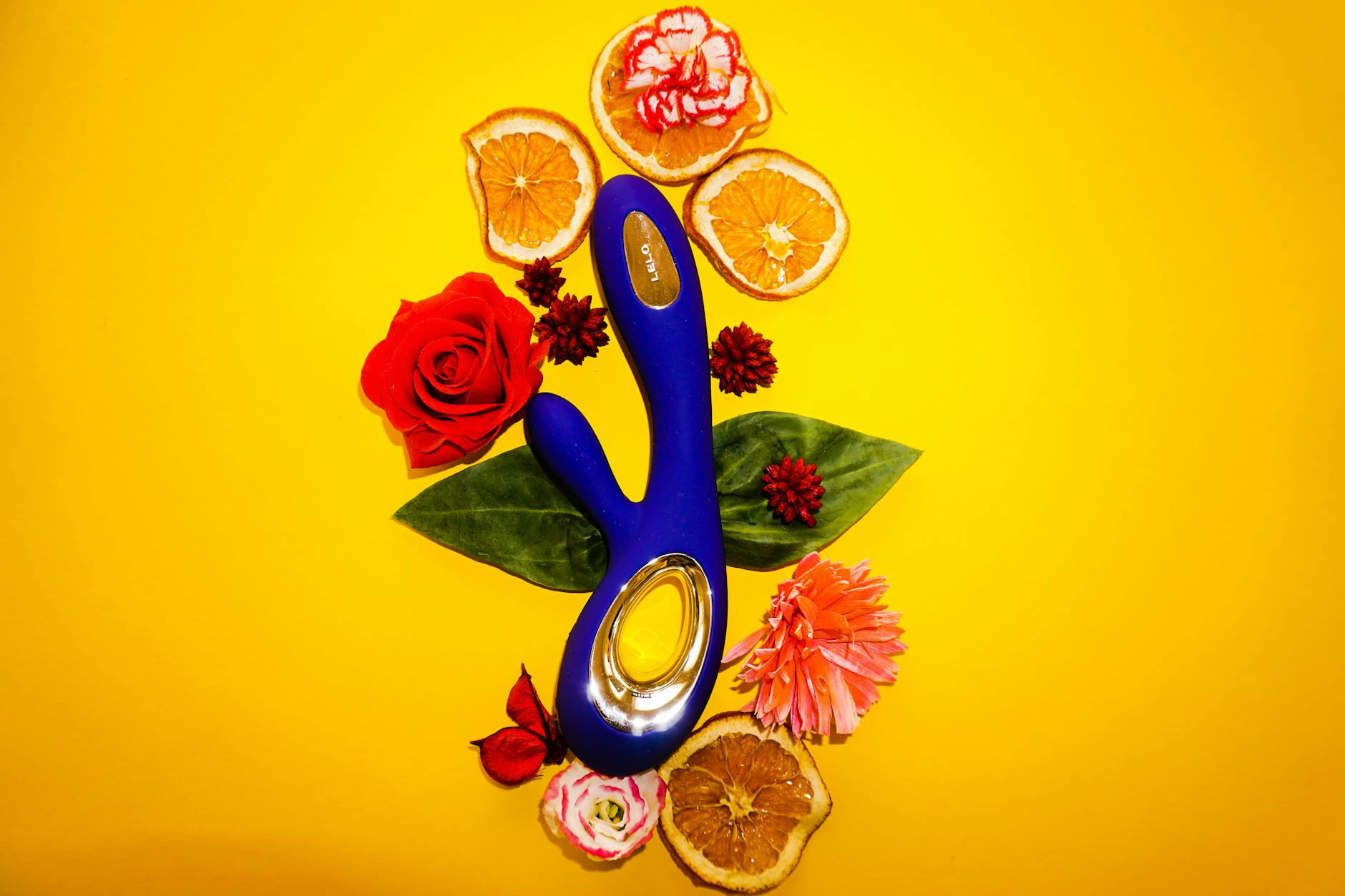
Here's what no one tells you about postpartum pleasure
Your body grew a human. Then it expelled that human. Then everyone asked about your bleeding, your stitches, your sleep schedule, and your mood. Almost nobody asked about sex. And that silence? It's brutal, because plenty is happening down there that directly affects sensation, arousal, and your ability to feel good.
The postpartum period introduces real physiological changes to pleasure. But here's the thing: they're temporary, manageable, and often improvable with the right approach. Lemon vibrators, specifically, can help rebuild sensation in ways that other toys can't. I'm going to walk you through why.
What pregnancy and childbirth actually do to sensation
Pregnancy floods your body with relaxin, progesterone, and estrogen. These hormones soften tissue, increase blood flow, and prepare the pelvic floor to stretch. After birth, whether vaginal or cesarean, your hormone levels crater. Estrogen drops hard. This drop is similar to what happens in early menopause, and it has real effects on tissue thickness, lubrication, and how quickly nerve endings respond to touch.
Vaginal delivery adds another layer: the tissue stretches significantly, the pelvic floor muscles are stressed, and sometimes there's tearing or episiotomy. Healing takes weeks to months. Cesarean birth avoids vaginal trauma but involves abdominal incision healing and its own pelvic floor dysfunction. Either way, sensation feels muted.
Your clitoris didn't change. Your neural pathways didn't change. But the surrounding tissue did, and that matters for how stimulation feels.
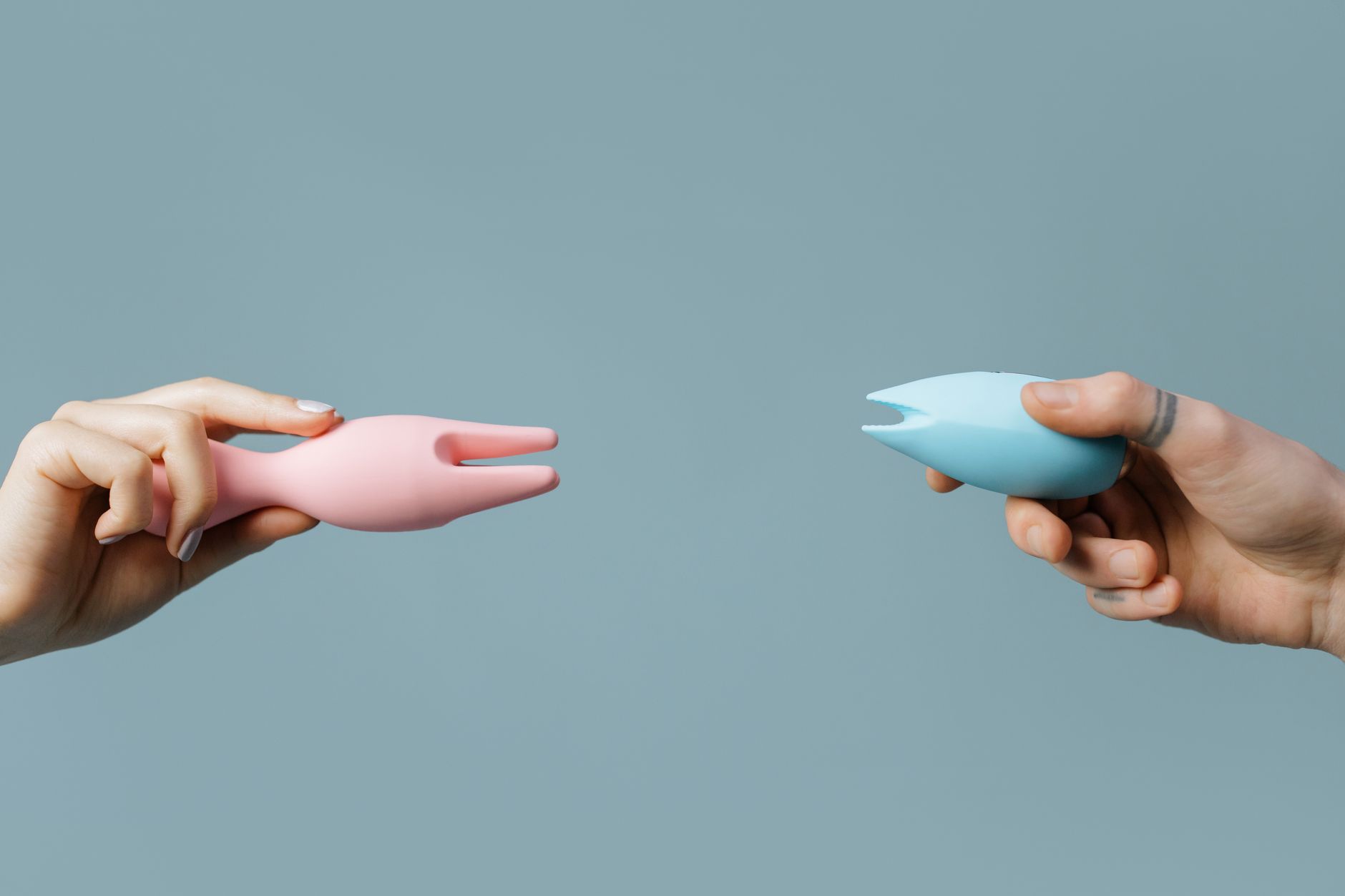
Photo by cottonbro studio on Pexels
Why sensation feels weaker (and that's actually predictable)
Three concrete reasons your pleasure feels muted right now.
Estrogen drops sharply. Tissue thinning happens fastest in the first 6-12 weeks postpartum. This affects sensitivity in the vulva, the vaginal entrance, and the clitoris itself. It's not permanent, but it's real. If you're breastfeeding, the drop is steeper and lasts longer because lactation suppresses estrogen further.
Your pelvic floor is exhausted. The pelvic floor muscles support arousal and orgasm. After birth, they're overstretched, fatigued, or both. That fatigue directly dampens sensation because the muscles can't contract and release as efficiently. Weaker contractions feel like weaker orgasms, or orgasms that don't arrive at all.
Attention is everywhere except pleasure. You have a newborn. You're sleep-deprived, bleeding, leaking, and your body feels like borrowed furniture. Even if physiologically you could feel pleasure, mentally you're running on fumes. Arousal requires presence, and right now you're present to about seventeen other things. This part matters more than most people think.
Why lemon vibrators work better than other toys postpartum
Most vibrators rely on traditional vibration, which requires tissue sensitivity to register as pleasurable. After birth, tissue is thinner and less responsive. That means a standard vibrator feels less intense, even if it's powerful.
Lemon vibrators use suction technology instead. Suction doesn't rely as heavily on tissue thickness. It creates a gentle seal and pulse pattern that stimulates the clitoral complex without requiring high sensation thresholds. You feel the pattern and the rhythm, not just the buzz.
For postpartum bodies, this matters. You get consistent, recognizable stimulation that rebuilds sensation gradually, without the frustration of a traditional vibrator that feels too subtle to register. Suction-based clitoral vibrators like the lemon can feel more satisfying faster, which means you're more likely to reconnect with pleasure before exhaustion wins.
The other advantage: lemon vibrators usually have several settings. You can start low, which is gentler on healing tissue, and work up as sensation rebuilds. That controllability is crucial when your body feels unpredictable.
The timeline for sensation to return
Let's be realistic about expectations.
Weeks 1-6: Most of this is focused on basic healing. Sex is off the table anyway (doctors recommend waiting 6 weeks, sometimes longer if there's tearing). Sensation is legitimately muted. Don't worry about pleasure yet.
Weeks 6-12: You get medical clearance to resume sex (if you want to). Sensation is starting to return, but slowly. Lube matters hugely. If you try a lemon vibrator now, use it solo first. You're relearning your own body's signals, and that takes privacy and time.
3-6 months: Sensation improves noticeably. Estrogen is creeping back up (especially if you've stopped breastfeeding). The pelvic floor is recovering tone. This is when lemon vibrators really shine. You can feel differentiation between settings. Orgasms become more recognizable.
6-12 months: If sensation hasn't normalized by here, it usually means you've got something like postpartum depression, ongoing pelvic floor dysfunction, or a hormonal issue worth investigating with your doctor. Most people are back to baseline sensation by month 9-10.
How to actually use lemon vibrators during recovery
Four things that matter.
Start with external touch. Don't go internal too early. Your pelvic floor is still healing. Stick to external clitoral stimulation with a lemon vibrator. That alone rebuilds sensation without the pressure of vaginal penetration.
Lubricate generously. Postpartum tissue is drier than usual. Water-based lube isn't optional. It reduces friction on healing tissue and makes stimulation feel more consistent. Apply it fresh each time. Don't be shy about the quantity.
Use the lowest setting first. Lemon vibrators have programmable patterns. Start at pattern 1 or 2. You're rebuilding sensitivity, not proving you can handle intensity. Building up from low helps your nervous system recognize pleasure without overwhelm.
Schedule it alone, not in partnered sex yet. Reconnecting with your own pleasure first takes pressure off yourself and your partner. Once you feel your body responding to a lemon vibrator solo, partnered sex feels less like a performance and more like reconnection. That order matters hugely.
The emotional piece nobody mentions
Your body grew life. Your body is now a milk factory or just a tired machine. Your partner might view your body differently now. You might view it differently. Postpartum pleasure isn't purely physical. It's also about reclaiming yourself as a sexual being when motherhood is screaming that you're only a caregiver now.
Using a lemon vibrator isn't just sensation recovery. It's a statement: I'm coming back. My pleasure matters. I exist as more than a function. That act of reclamation is as important as the nerve endings firing.
If you're partnered, talk about this. About rebuilding intimacy without pressure. About sensation returning on its own timeline. About lemon vibrators as a tool for you, not a substitute for them. Misaligned expectations wreck postpartum sex. Clear ones save it.
When to see a specialist
If you're 6 months postpartum and sensation hasn't meaningfully returned, or if you're in pain during any kind of touch, talk to your gynecologist or a pelvic floor physical therapist. Sometimes postpartum sensation loss signals pelvic floor dysfunction that needs intervention. Sometimes it's low estrogen. Sometimes it's undiagnosed postpartum depression affecting your whole nervous system. None of these are failures. All of them are treatable.
If you had significant tearing or a complicated delivery, pelvic floor therapy early on can actually speed sensation recovery and reduce long-term dysfunction.
Getting there again
Your pleasure didn't disappear. It's on pause. Lemon vibrators, time, and permission to prioritize your own body will bring it back. Start slow. Use lube. Go solo first. And remember that the postpartum period is temporary. Your sensation will return. Your body will feel like yours again.